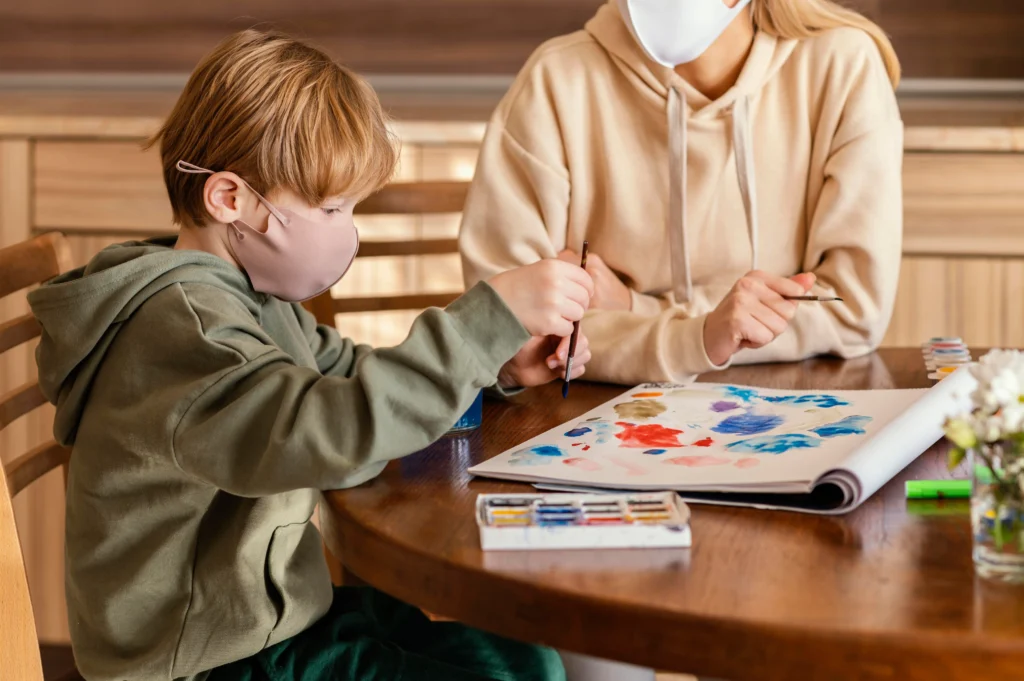
Social-emotional learning, often called SEL, is a crucial part of education that helps students develop skills to manage emotions, build positive relationships, and make responsible decisions. For students in special education, learning these skills can make a big difference in their ability to engage in school, make friends, and succeed both inside and outside the classroom. While academic skills are essential, helping students understand and manage their emotions is equally important. Here, we’ll explore why SEL matters for students in special education and how teachers and parents can support their growth in these areas.
Why Social-Emotional Learning Matters in Special Education
For students with disabilities, navigating social situations and managing emotions can sometimes be challenging. Many students in special education programs may struggle with understanding social cues, handling frustration, or managing stress. Social-emotional learning is designed to help students develop the skills they need to understand and regulate their emotions, build meaningful relationships, and feel a sense of belonging.
1. Improved Emotional Awareness and Self-Management:
SEL helps students recognize and label their feelings. Understanding emotions is the first step in learning to manage them. Students with special needs, such as those on the Autism spectrum or with ADHD, may find it challenging to identify or express emotions effectively. Through SEL, students learn techniques to calm down when they feel upset, communicate their needs, and find ways to handle stress positively. These skills are essential for managing anxiety and staying focused in the classroom.
2. Building Stronger Social Connections:
A big part of SEL is teaching students how to interact with others in positive ways. This includes skills like listening, taking turns, and showing empathy. Students in special education often need extra support in these areas to help them make friends, work in groups, and engage with peers and teachers. When students feel connected to others, they are more likely to enjoy school and feel motivated to participate in activities. Building strong social connections also reduces feelings of isolation, which can sometimes be common among students with disabilities.
3. Enhanced Self-Esteem and Confidence:
When students learn to manage their emotions and build relationships, they often gain a greater sense of self-confidence. SEL teaches students that they have the power to handle challenges and achieve their goals. For students in special education, feeling capable is incredibly important. With the right support, they can learn to view challenges as opportunities for growth. This increased confidence can lead to better academic performance and a greater willingness to try new things.
4. Better Academic Performance:
Research has shown that students with strong social-emotional skills tend to do better academically. When students are equipped with SEL skills, they are often more focused, organized, and ready to learn. They are less likely to be distracted by personal frustrations and are better able to work through difficult tasks. In special education, where students may already face learning challenges, SEL provides tools to improve focus, resilience, and a positive attitude toward learning.
Ways to Support Social-Emotional Learning in Special Education
Supporting SEL for students in special education involves creating a learning environment that is understanding, flexible, and structured to meet their needs. Here are a few practical ways teachers and parents can help students develop their social-emotional skills:
1. Model Positive Behaviors:
Teachers and parents can model positive social behaviors, such as active listening, empathy, and calm problem-solving. When adults model these behaviors, students see firsthand what it looks like to handle emotions positively. For example, a teacher who remains calm and talks through a problem shows students how to react when they feel frustrated.
2. Use Visual Supports and Cues:
Many students in special education benefit from visual aids, such as charts with emotion words, facial expressions, or step-by-step guides for social interactions. Visual supports give students a concrete way to understand abstract concepts like emotions or social expectations. For instance, a “feelings chart” can help students point to their current emotions if they’re having trouble finding the words.
3. Teach Coping Skills Step-by-Step:
Break down coping strategies into simple, clear steps. For example, teach students to take deep breaths, count to ten, or ask for a break when they feel overwhelmed. Practicing these skills regularly helps students remember to use them in challenging situations.
4. Set Up Group Activities:
Encourage activities that involve working with others, like group projects or team games. Working in a group provides students with a chance to practice their social skills in a supportive environment. Teachers can guide students through group interactions by prompting them to take turns, listen to one another, and express their ideas respectfully.
5. Give Positive Reinforcement:
Celebrating successes, big or small, is essential. When students make progress in their social-emotional skills, recognize their efforts and improvements. Positive reinforcement encourages them to keep trying and reinforces that they are capable of growth.
Final Thoughts
Social-emotional learning is a valuable part of any classroom, but it holds particular importance in special education. By helping students understand their emotions, connect with others, and handle challenges with resilience, SEL equips them with skills they can use for a lifetime. For special educators and parents, focusing on SEL means investing in each student’s well-being, self-confidence, and potential for success in all areas of life.