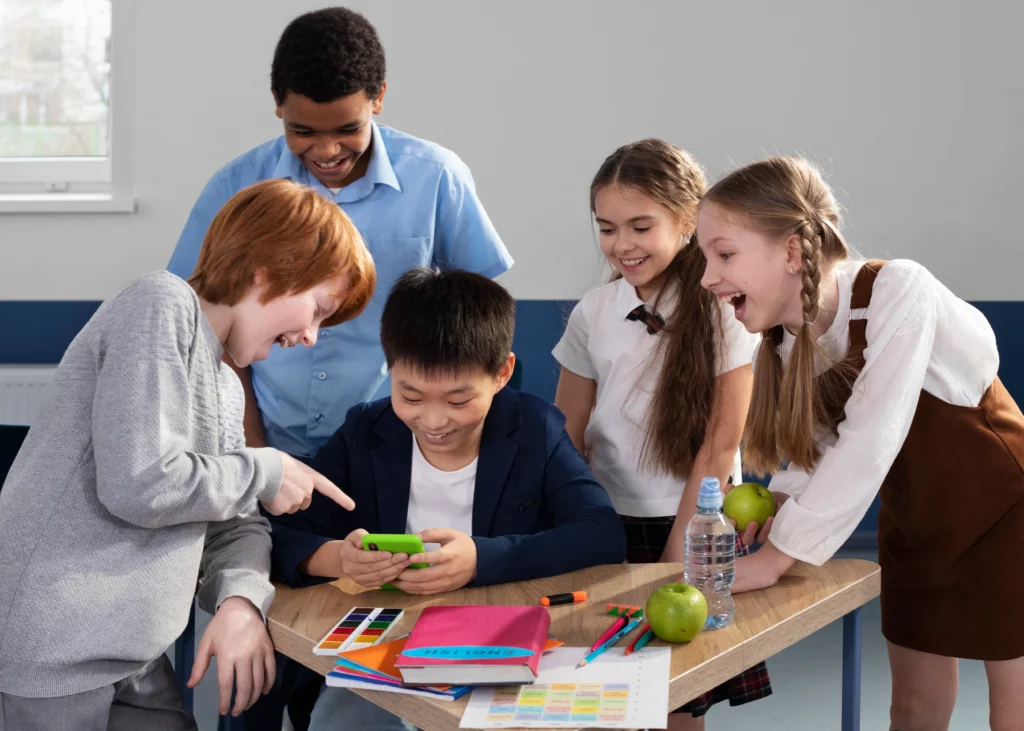
Inclusive education ensures that all students, regardless of their abilities or disabilities, learn together in the same environment. For general education teachers, accommodating students with autism and other disabilities may seem challenging, but with the right resources and strategies, it’s entirely achievable. This tutorial provides practical tips and examples to create an inclusive classroom that supports all learners.
1. Understanding Inclusive Education
Before diving into resources, it’s essential to grasp what inclusive education entails.
Inclusive Education is about:
- Equity: Providing equal opportunities for all students to learn and succeed.
- Diversity: Valuing and respecting differences among students.
- Collaboration: Working together with families, specialists, and students themselves.
Example: A teacher modifies a science lesson to include hands-on activities, visual aids, and group work, ensuring that students with different learning needs can participate meaningfully.
2. Physical Classroom Setup
The physical environment plays a crucial role in facilitating inclusion.
a. Flexible Seating
Purpose: Accommodates different sensory and comfort needs.
Resources:
- Beanbag Chairs: Provide a comfortable alternative for students who find traditional chairs uncomfortable.
- Standing Desks: Beneficial for students who need to move frequently.
- Stability Balls: Help improve focus for some students by allowing subtle movement.
Example: A classroom includes a variety of seating options, allowing students to choose where they learn best. An autistic student uses a beanbag chair during reading time to feel more relaxed and focused.
b. Sensory-Friendly Spaces
Purpose: Offers a retreat for students who may become overwhelmed.
Resources:
- Quiet Corners: Designated areas with minimal stimuli for calming down.
- Sensory Tools: Items like stress balls, fidget spinners, and weighted blankets.
Example: After a noisy group activity, a student with sensory sensitivities spends a few minutes in the quiet corner with a weighted blanket to regroup before the next lesson.
3. Instructional Strategies
Adapting teaching methods ensures that all students can access and engage with the curriculum.
a. Universal Design for Learning (UDL)
Purpose: Provides multiple means of representation, engagement, and expression.
Strategies:
- Multiple Formats: Present information through text, audio, video, and hands-on activities.
- Choice in Assignments: Allow students to demonstrate understanding through essays, presentations, or creative projects.
Example: For a history lesson, the teacher provides a textbook chapter, a documentary clip, and artifacts for examination. Students choose to write an essay, create a poster, or perform a skit to showcase their learning.
b. Differentiated Instruction
Purpose: Tailors teaching to meet individual learning needs.
Strategies:
- Tiered Assignments: Offer tasks at varying levels of difficulty.
- Learning Stations: Set up different areas focused on specific skills or topics.
Example: In a math class, students rotate through stations practicing addition with visual aids, manipulatives, and real-life scenarios, catering to diverse learning styles and abilities.
4. Assistive Technology
Technology can bridge gaps and support students with disabilities in accessing the curriculum effectively.
a. Communication Aids
Resources:
- Augmentative and Alternative Communication (AAC) Devices: Assist students with speech impairments in expressing themselves.
- Speech-to-Text Software: Helps students who struggle with writing to convey their ideas verbally.
- Example: An autistic student uses a tablet with AAC software to participate in classroom discussions and answer questions.
b. Learning Apps and Software
Resources:
- Reading Software: Programs that read text aloud or highlight words to support reading comprehension.
- Organizational Tools: Apps that help with scheduling, task management, and reminders.
Example: A student with dyslexia uses a reading app that reads assignments aloud, enhancing understanding and retention.
5. Collaborative Support
Working together with specialists, families, and the students themselves ensures comprehensive support.
a. Individualized Education Plans (IEPs)
Purpose: Customized plans outlining specific goals and accommodations for students with disabilities.
Strategies:
- Regular Meetings: Frequent check-ins with special educators and parents to assess progress.
- Goal Tracking: Monitoring and adjusting goals as needed.
Example: The teacher collaborates with a special education teacher to implement IEP goals, such as providing extra time for tests and breaking assignments into smaller, manageable tasks.
b. Peer Support Programs
Purpose: Encourages social interaction and mutual learning among students.
Strategies:
- Buddy Systems: Pairing students to support each other academically and socially.
- Group Projects: Designing tasks that require collaboration and capitalizing on diverse strengths.
Example: During a group project, students are intentionally grouped to ensure a mix of abilities, promoting empathy, cooperation, and shared responsibility.
6. Professional Development and Resources
Continuous learning equips teachers with the latest strategies and tools.
Resources:
- Workshops and Training: Attend seminars focused on inclusive practices and special education.
- Online Communities: Engage with forums and groups sharing experiences and resources.
- Educational Literature: Stay updated with books and articles on inclusive education strategies.
Example: A teacher participates in an online course about supporting students with autism, gaining new insights and techniques to apply in the classroom.
Conclusion
Creating an inclusive classroom is an ongoing, dynamic process that benefits all students. By thoughtfully arranging the physical space, employing diverse instructional strategies, leveraging assistive technology, and fostering collaborative support, educators can build environments where every student thrives. Embracing inclusivity not only supports students with disabilities but also enriches the learning experience for the entire classroom community.
Remember, inclusivity is not a one-size-fits-all approach but a commitment to adapting and responding to the unique needs of each student.
References:
- National Center on Universal Design for Learning: www.udlcenter.org
- Autism Speaks Classroom Resources: www.autismspeaks.org
- Council for Exceptional Children: www.cec.sped.org