The Importance of Collaboration in a Special Education Classroom
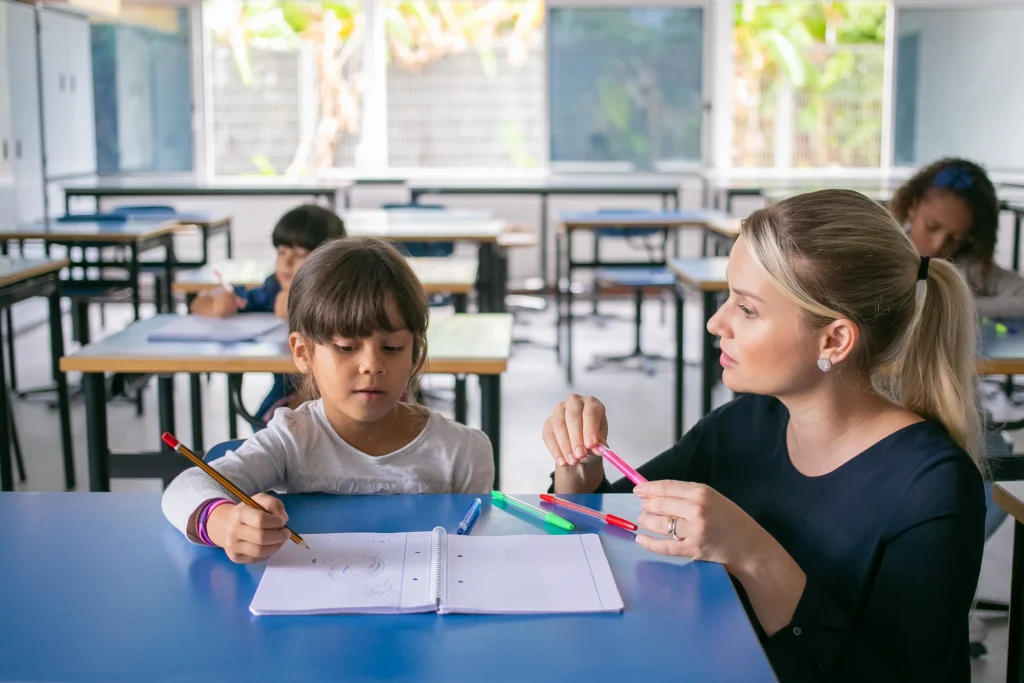
Collaboration is a fundamental element of any successful classroom, and in a special education environment, it becomes even more crucial. In these settings, the diverse needs of students require a team effort to ensure that each child receives the personalized support and resources they need to succeed. Collaboration in special education classrooms not only enhances […]
Understanding the Individuals with Disabilities Education Act (IDEA): A Guide
The Individuals with Disabilities Education Act (IDEA) is a federal law in the United States dedicated to ensuring that children and young adults with disabilities have access to a free and appropriate public education (FAPE). This critical law aims to meet the unique needs of eligible students, ensuring they receive the support they need to […]
The Science of Reading: Understanding How We Learn to Read

Reading is a foundational skill that unlocks endless opportunities for learning and growth. However, learning to read is a complex process, shaped by both cognitive and linguistic skills that develop over time. “The science of reading” refers to the vast body of research conducted across fields like psychology, neuroscience, linguistics, and education, which sheds light […]
The Science of Reading: Understanding Its Key Components
The “Science of Reading” is a comprehensive, evidence-based approach to literacy that has emerged from decades of research in cognitive psychology, neuroscience, and education. Its focus is on understanding how children learn to read and on identifying the most effective instructional practices for building strong reading skills. Let’s explore the main pillars that define this […]
Teaching Sympathy and Selflessness through “The Happy Prince” by Oscar Wilde
Oscar Wilde’s The Happy Prince serves as a perfect text to explore these themes, encouraging students to connect emotionally with the story while developing their comprehension skills. Using diverse strategies like audiobooks, concept mapping, and a text set, teachers can make this timeless story accessible and meaningful, especially for students with varied learning needs, including […]
The Purpose of Assessment: Enhancing Learning through Holistic Evaluation

When we think of “assessment,” we often imagine tests, exams, or quizzes. However, assessment is far more than a tool for grading; it’s a dynamic process of gathering information to better understand students’ knowledge, skills, and learning needs. In education, assessment serves as the bridge between what students are taught (curriculum) and how they are […]
Understanding and Implementing Effective Learning Disability Identification Approaches: RTI and IQ-Achievement Discrepancy Model
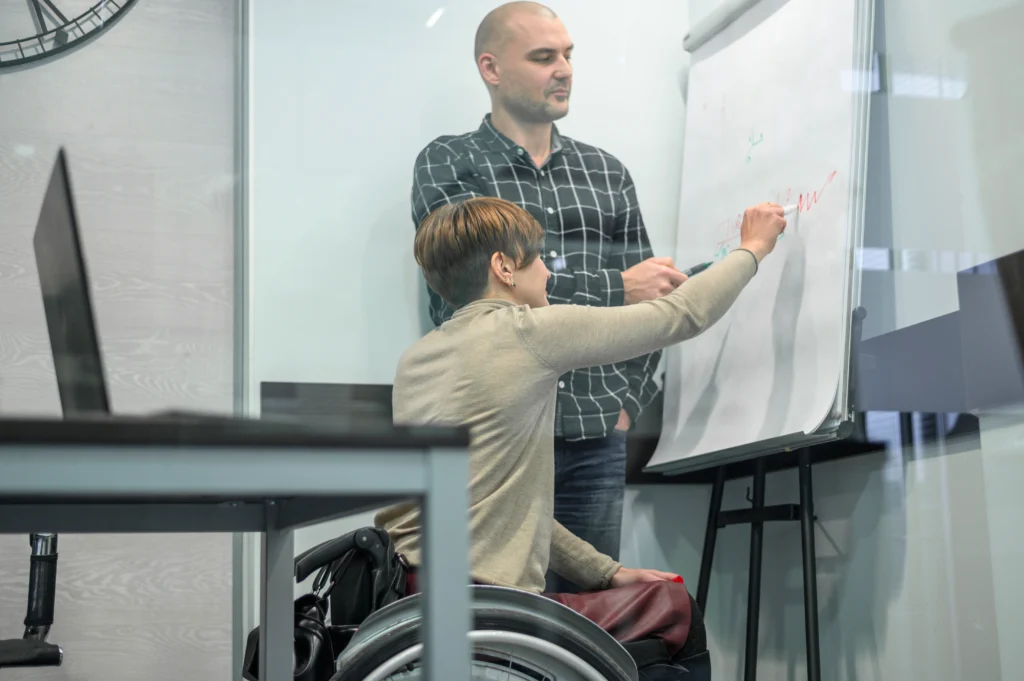
When it comes to identifying students with learning disabilities, two primary approaches stand out: the Response to Intervention (RTI) model and the IQ-Achievement Discrepancy model. Both models offer valuable frameworks for assessing student needs, although each has distinct processes, benefits, and applications. As more schools lean toward the RTI model, understanding each approach’s strengths can […]
Understanding and Implementing a Behavior Intervention Plan (BIP)
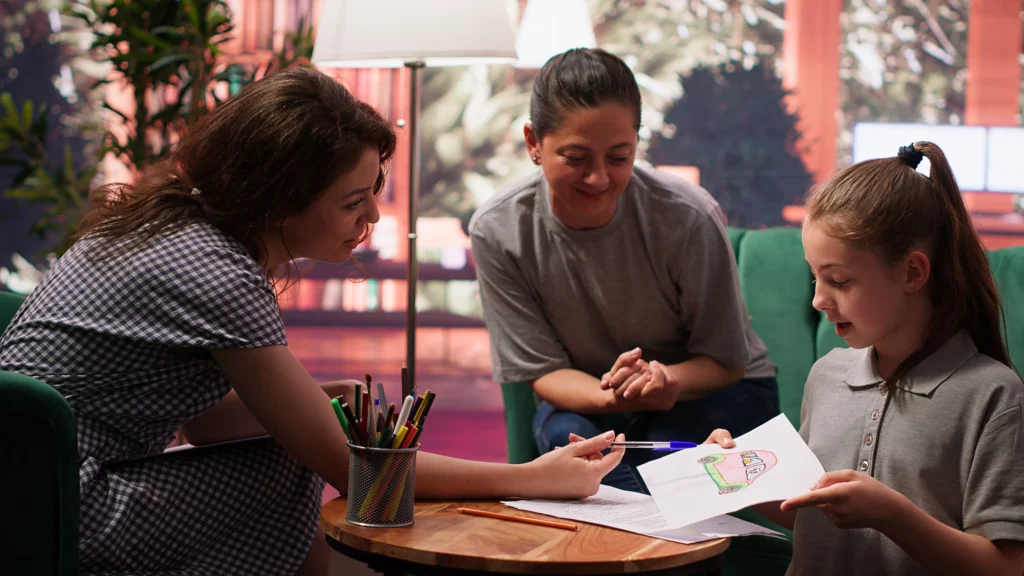
Creating a clear and supportive Behavior Intervention Plan (BIP) is essential for helping students succeed both academically and behaviorally. This BIP focuses on decreasing aggressive behaviors and promoting positive responses to classroom tasks and transitions. Here, we’ll break down the essential components, including behavior goals, replacement behaviors, strategies for school staff and parents, and methods […]
Supporting Diverse Learners: Classroom Accommodations and Modifications

Educators play a crucial role in creating an inclusive environment that addresses the diverse needs of students with varying learning challenges. Accommodations and modifications are essential tools for helping students thrive, especially when they face obstacles like ADHD, depression, organizational difficulties, and learning disabilities. Here, we explore ways to support four students—Stephanie, Lyndsey, Steven, and […]
Effective S.M.A.R.T. Goals for Student Success
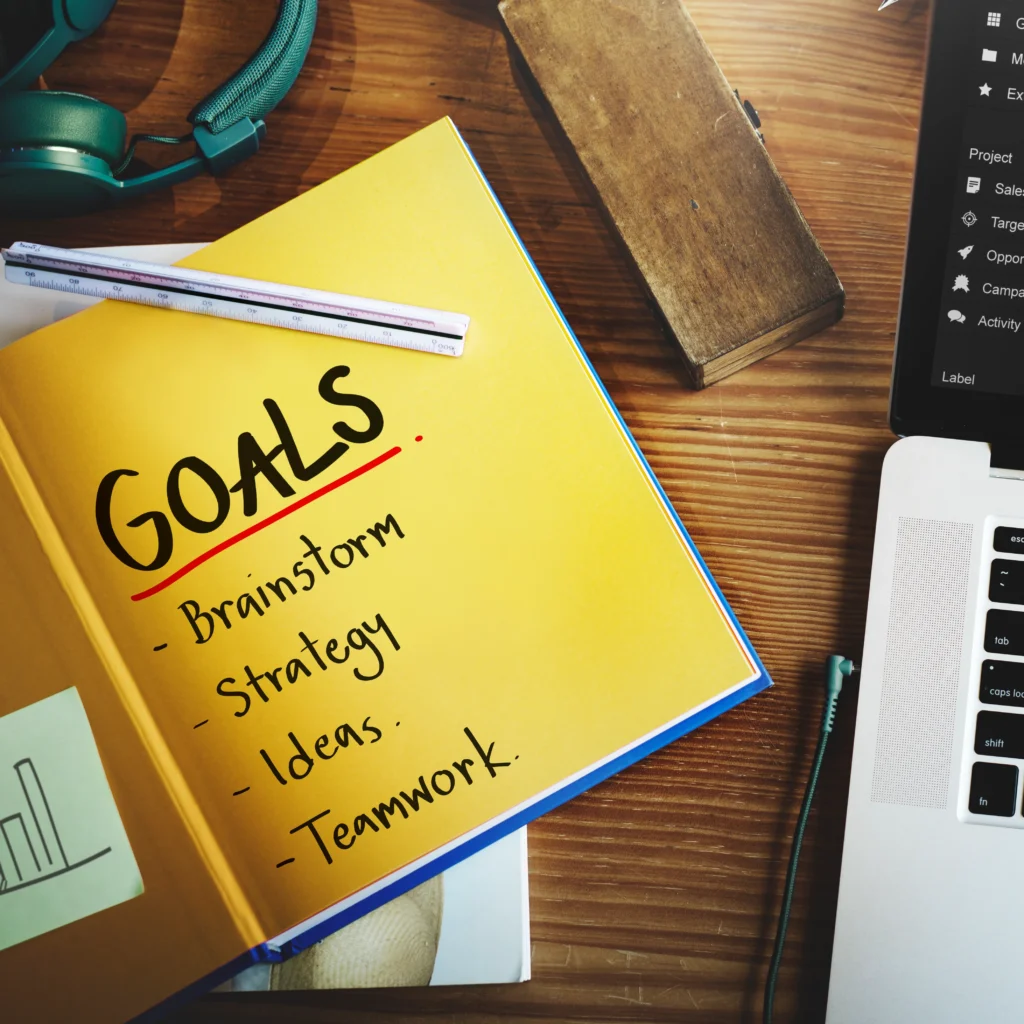
Setting effective goals for students can be a transformative process, helping both students and educators focus on achieving specific outcomes over a set period. The S.M.A.R.T. goals framework—Specific, Measurable, Achievable, Relevant, and Time-bound—provides a clear structure for creating focused, actionable objectives that can drive student growth. This approach is particularly useful for Individualized Education Plans […]