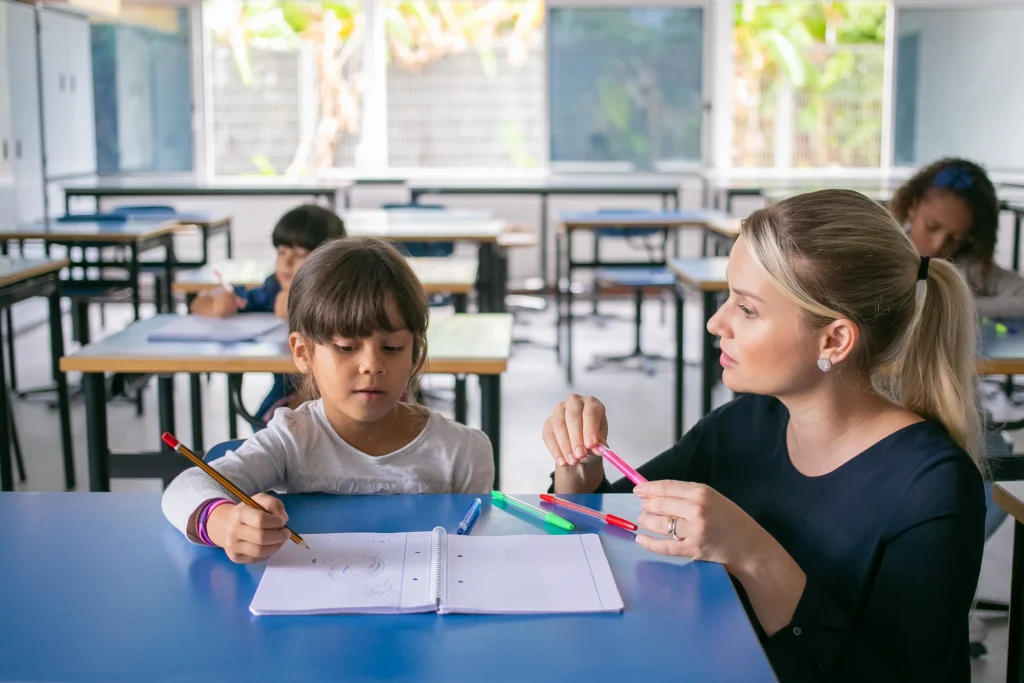
Collaboration is a fundamental element of any successful classroom, and in a special education environment, it becomes even more crucial. In these settings, the diverse needs of students require a team effort to ensure that each child receives the personalized support and resources they need to succeed. Collaboration in special education classrooms not only enhances learning outcomes but also fosters a supportive community where everyone’s expertise is valued and utilized effectively.
1. Building a Supportive Team
The foundation of collaboration in a special education classroom is the team, which typically includes teachers, paraprofessionals, specialists (like speech and occupational therapists), administrators, and often, the student’s families. Each of these team members plays a unique role in the student’s learning experience. Teachers provide the daily academic and social instruction, paraprofessionals often offer hands-on support and ensure students stay engaged, and specialists focus on addressing specific developmental needs.
When all members are actively engaged and communicate openly, they create a unified support system. This collective approach ensures that each team member understands the child’s needs and goals, making it easier to align strategies and share insights. A strong team working in harmony can adapt quickly to the unique needs of the classroom and offer consistent support to each student.
2. Enhancing Individualized Education Plans (IEPs)
The development and implementation of an Individualized Education Plan (IEP) is central to special education. This plan outlines the specific educational needs and goals for each student, as well as the strategies and accommodations required for their success. Collaboration is essential throughout the IEP process, from the initial meeting to ongoing assessments.
By involving the entire team in IEP discussions, each member can contribute valuable insights about the student’s progress, strengths, and areas that may require additional support. For instance, a speech therapist might recommend communication strategies that can be reinforced by the teacher and paraprofessional throughout the school day. This level of collaboration ensures the IEP is not only a formal document but a living guide that is regularly updated and implemented in practical, meaningful ways.
3. Sharing Expertise to Meet Diverse Needs
Special education classrooms often include students with a wide range of abilities and needs, from cognitive and physical disabilities to emotional and behavioral challenges. This diversity requires the expertise of multiple professionals who can address different aspects of student development. Teachers bring pedagogical knowledge, while specialists and therapists contribute strategies that address specific developmental needs, such as improving fine motor skills or enhancing social interactions.
By collaborating, these professionals can share strategies that benefit each student. For example, a behavior specialist might work with the teacher to design interventions that help a student with autism manage sensory overload. This shared knowledge creates a well-rounded educational experience, where students benefit from techniques and approaches that target all aspects of their development.
4. Improving Communication and Reducing Misunderstandings
Collaboration encourages clear communication between all parties involved in a student’s education. Regular meetings, check-ins, and informal conversations between team members help everyone stay informed about students’ progress and any emerging challenges. This ongoing dialogue minimizes misunderstandings and ensures everyone has a consistent understanding of the student’s goals and the strategies in place.
Families also play an important role in this communication network. When parents or guardians are involved in collaborative meetings, they gain a better understanding of the strategies used in the classroom and can reinforce them at home. This partnership between the school and family creates consistency, allowing students to practice and reinforce new skills in multiple environments.
5. Boosting Student Confidence and Success
In a collaborative classroom, students can sense the support they receive from a dedicated team. This environment not only supports their academic growth but also boosts their confidence and social development. When students see that their teachers, specialists, and families are working together for their benefit, they feel more supported and are more likely to engage in learning activities.
Additionally, collaboration allows for real-time feedback, where team members can quickly adapt strategies based on student responses. For example, if a student struggles with a new task, the team can discuss alternative approaches and implement them promptly. This agility in meeting student needs fosters a positive learning experience, encouraging students to take risks, make progress, and celebrate their achievements.
6. Professional Growth and Learning
Collaboration in special education not only benefits students but also promotes professional growth among educators and specialists. Working together allows team members to learn from each other, share new techniques, and refine their skills. Regular collaboration can even inspire new ideas, helping educators find fresh ways to approach challenges.
For example, a teacher may learn new behavior management strategies from a behavior specialist, or a speech therapist might gain insights from a teacher on integrating language exercises into daily classroom routines. This mutual exchange of knowledge creates a culture of continuous improvement, ultimately benefiting all students in the special education program.
Conclusion
In a special education classroom, collaboration is more than just a helpful tool—it’s an essential practice that ensures every student receives the support they need to thrive. By working as a cohesive team, educators, specialists, and families can create an inclusive, responsive, and enriching learning environment. This collaborative approach maximizes the effectiveness of IEPs, promotes consistency in support strategies, and enhances student confidence and success. For professionals in the field of special education, building and maintaining strong partnerships is the key to unlocking each student’s potential and creating lasting positive outcomes.