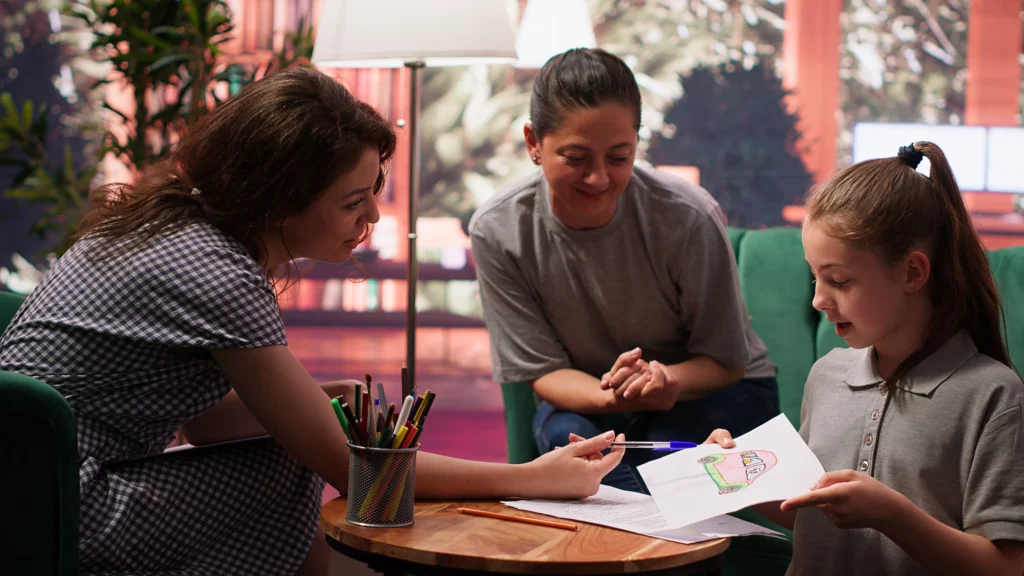
Creating a clear and supportive Behavior Intervention Plan (BIP) is essential for helping students succeed both academically and behaviorally. This BIP focuses on decreasing aggressive behaviors and promoting positive responses to classroom tasks and transitions. Here, we’ll break down the essential components, including behavior goals, replacement behaviors, strategies for school staff and parents, and methods to track progress.
Behavior Goal
The primary goal is to reduce aggressive behaviors, aiming for zero incidents per hour over a month. Aggressive behaviors may include flipping tables, running around, and entering unsafe zones in the classroom or school grounds. These actions can disrupt learning and create safety concerns, so reducing them is a priority.
Replacement Behavior
Instead of reacting aggressively, the goal is for the student to respond positively when given tasks or instructions. The replacement behavior aims for completion of assigned work without aggression or tantrums in at least 80% of opportunities. Once this behavior is achieved consistently, the student will work on a variable schedule that includes cooperation at home to reinforce behavioral standards.
Current Baseline
Based on observations and parental reporting, the current success rate with the replacement behavior is at 0%. This baseline highlights the importance of structured support to help develop and consistently demonstrate positive behaviors.
Antecedent Strategies
Antecedent strategies are proactive steps to set up success before challenging behaviors occur. These include:
- Priming: Before transitions (like lining up for recess), team members remind the student of expectations in a clear, supportive way. Statements like “Remember, you need to keep your hands to yourself” set a positive tone. If there is laughter or screaming, staff provide a one-minute delay before proceeding to help with regulation.
- Providing Choices: Giving choices can empower students to make positive decisions. When setting expectations, options like “quietly raising your hand” or “sharing ideas” give a sense of control, which can reduce aggressive responses.
- Functional Communication: Team members model positive behavior by showing the student how to complete small tasks (such as putting a bag in a specific place). This clear guidance helps in understanding and imitating the correct behavior.
Consequence Strategies
Consequence strategies focus on reinforcing positive behavior and minimizing attention to negative behaviors. These strategies include:
- Differential Reinforcement of Incompatible Behavior (DRI): When positive behavior is demonstrated, team members acknowledge the effort with verbal praise and, when appropriate, access to a chosen toy. This reinforces the benefits of choosing positive actions.
- Differential Reinforcement of Alternative Behavior (DRA): If there is hesitation or additional time is taken to make choices, staff provide 2-3 minutes to reset and remind of options before moving forward. This method gently supports making better choices without adding pressure.
- Extinction and Redirection: When aggressive behaviors occur, staff assess the underlying cause (such as frustration or seeking attention). To discourage aggression, attention to the behavior is minimized, and redirection is provided with limited intervention. For example:- If behavior is attention-seeking, access to the toy causing frustration is restricted, and the student is encouraged to use words to express needs.- If the behavior is to escape work or class, a team member accompanies the student through the transition, asking for reasoning, while gradually guiding back to task.
Parental Training Goals
Parental support plays a crucial role in reinforcing the BIP strategies at home. This BIP includes specific goals to help parents manage behaviors consistently:
- Identifying Triggers and Strategies: Parents will learn to recognize the triggers of aggressive behaviors and implement effective strategies during challenging situations. Knowing what sets off behaviors allows for anticipation and management of situations more effectively.
- Implementing Antecedent Strategies: Parents will also be trained to use the same antecedent strategies used in school, like priming and providing choices, to ensure consistency across home and school environments. This alignment helps the student understand that positive behavior is expected and rewarded in all settings.
Tracking Progress
To measure success, progress will be monitored over one month, to reach 80% success in replacing aggressive behaviors with positive responses. Upon meeting this target, the student will be supported in working with parents to sustain these behaviors beyond school. Progress tracking ensures consistent improvement and provides valuable data for any needed adjustments in the BIP.
Conclusion
Implementing a BIP for students requires a balanced approach that combines clear expectations, supportive choices, and positive reinforcement. By applying these strategies both in the classroom and at home, the school team and family work together to help build healthier ways of responding to challenges. When everyone collaborates, students gain the structure and encouragement they need to thrive, creating a foundation for long-term success in school and beyond.